The Allure of Gambling: Understanding Motivation
Many individuals are drawn to casinos due to the thrill of chance and the potential for winning. This allure is deeply rooted in psychological factors, with the anticipation of a win triggering the brain’s reward system. Players experience a rush of dopamine, a neurotransmitter associated with pleasure, when they engage in gambling, and offshore gambling can add an additional layer of excitement to the experience. This creates a feedback loop that encourages repeat behavior, as the excitement of potential gains often outweighs the fear of losses.
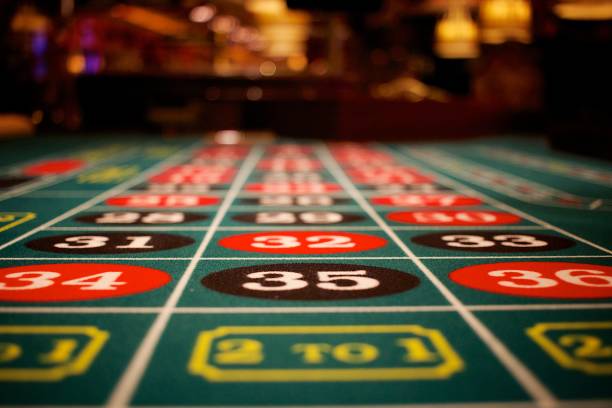
Additionally, the social environment of casinos can enhance the appeal of gambling. The presence of other players, the sounds of victories, and the atmosphere of excitement all contribute to a heightened sense of engagement. For many, gambling becomes a shared experience, fostering a sense of belonging and community that can be psychologically comforting.
The Role of Cognitive Biases in Gaming Decisions
Cognitive biases significantly influence player behavior in casinos. One common bias is the illusion of control, where players believe they can influence the outcome of games of chance through their actions or strategies. This misconception often leads to excessive risk-taking as players engage in gambling with an inflated sense of confidence.
Another key bias is the gambler’s fallacy, where individuals mistakenly believe that past events will influence future outcomes in random games. For example, a player may think a losing streak means a win is imminent, which can lead to chasing losses and further financial strain. Understanding these biases is crucial for both players and casino operators in assessing player behavior and developing strategies to promote responsible gambling.
The Impact of Environment on Player Behavior
The design and ambiance of a casino play a pivotal role in shaping player experiences and behaviors. Casinos are meticulously crafted to create an engaging atmosphere; bright lights, loud sounds, and the absence of clocks all encourage players to lose track of time and immerse themselves in the gaming experience. This carefully curated environment can lead to extended play sessions, increasing the likelihood of both wins and losses.
Furthermore, casinos often employ strategies such as free drinks and meals to keep players at their tables. This hospitality not only enhances the overall experience but can also lead to decreased inhibitions and increased gambling activity. Understanding how environmental factors influence player behavior is essential for promoting a balanced approach to gambling.
The Psychological Consequences of Gambling Addiction
While many people can enjoy gambling responsibly, others may develop problematic gambling habits that can lead to addiction. The psychological consequences of gambling addiction can be severe, impacting not only the individual but also their families and communities. Individuals may experience anxiety, depression, and a host of other mental health issues as they grapple with the financial and emotional fallout of their gambling behavior.
Support systems and resources for responsible gambling are crucial in mitigating these effects. Education about the signs of addiction and available help can empower players to seek assistance before their situation worsens. Recognizing the psychological components of gambling addiction can foster a healthier gaming environment and promote recovery for those in need.

Website Overview: Ensuring Safe Gambling Environments
This website aims to provide valuable insights into the complex psychology behind player behavior in casinos. By understanding the motivations, biases, and environmental impacts on gambling, both players and operators can work towards fostering a safer and more responsible gaming culture.
Additionally, the site emphasizes the importance of awareness and education in combating gambling addiction, ensuring that individuals have access to the resources they need to make informed choices. By prioritizing psychological well-being, we can contribute to a healthier approach to gambling for everyone involved.